
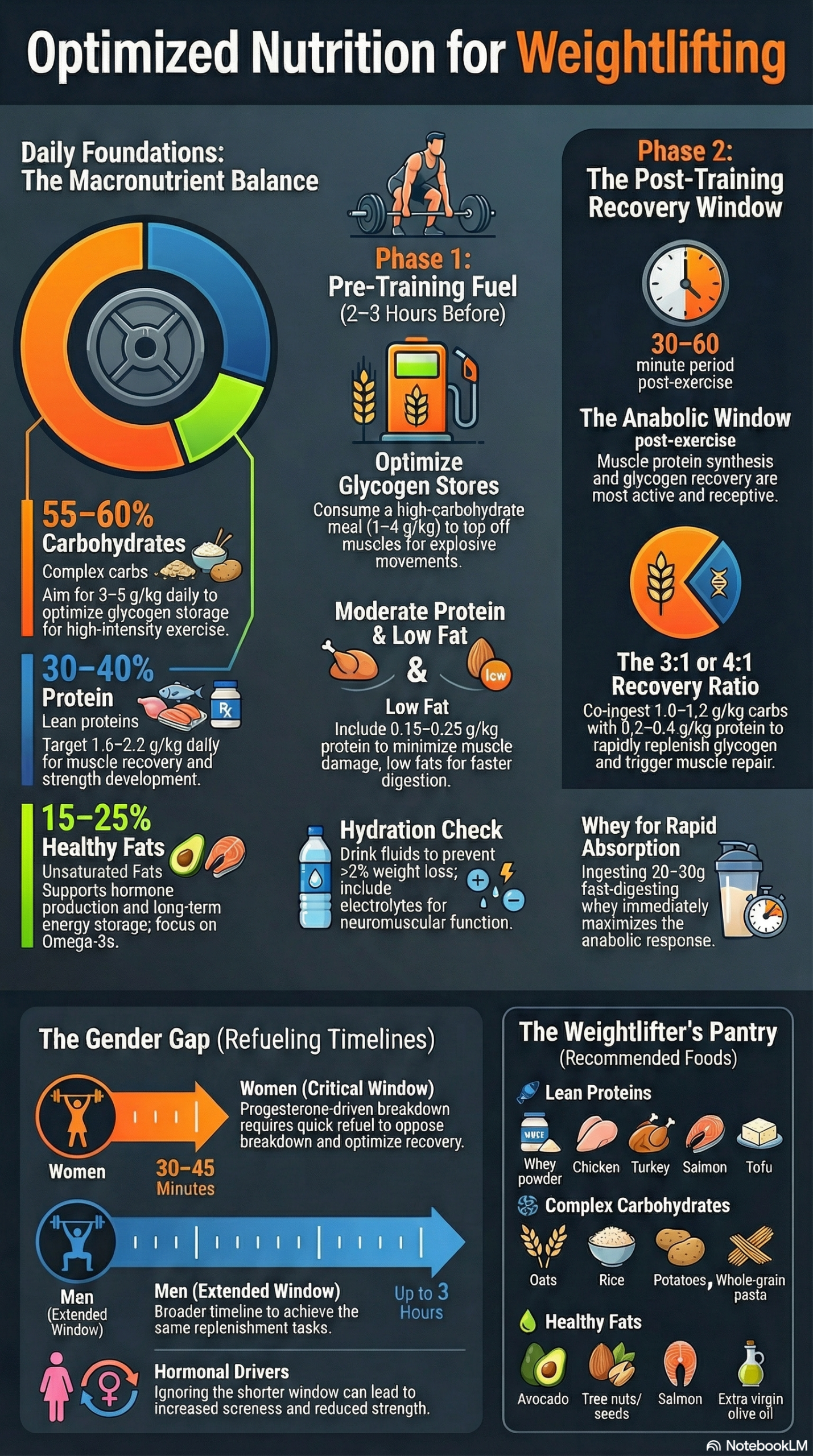
Daily Foundation and Macronutrient Targets
To maintain performance during training, athletes should follow a balanced diet, typically consisting of 60% carbohydrates, 20% protein, and 20% fat.
- Carbohydrates: These are the primary energy source for high-intensity anaerobic exercise. Athletes should aim for 3–5 grams per kilogram of body weight daily to maintain glycogen stores. Complex carbohydrates like whole grains provide sustained energy, while simple carbohydrates like fruits offer quick fuel.
- Protein: Essential for muscle repair and growth, athletes should consume 1.6–2.2 grams per kilogram of body weight. Spreading protein intake evenly throughout the day optimizes muscle protein turnover.
- Fats: These support hormone production and long-term energy, making up 15–40% of daily calories. Athletes should prioritize unsaturated fats, such as omega-3 fatty acids, for their anti-inflammatory benefits.
- Hydration: Maintaining fluid balance is critical for physical and cognitive function. Athletes should aim for 2.5 to 4 liters of water per day, using sports drinks with electrolytes for sessions longer than an hour or in hot conditions.
Pre-Competition Strategies
Nutrition timing shifts as a competition or intense training session approaches to ensure energy reserves are maximized.
- 24–48 Hours Before: Endurance athletes (e.g., marathoners, soccer players) should carb-load by eating high-carbohydrate meals to top off glycogen reserves.
- 3–4 Hours Before: A balanced meal consisting of 50% carbohydrates, 25% lean protein, and 25% fruits/vegetables is ideal. Smoothies are a recommended alternative if solid food causes gastrointestinal distress.
- 1–2 Hours Before: If a weigh-in or early start limits the digestion window, athletes should boost carbohydrate intake.
- 30–60 Minutes Before: A small snack of simple carbohydrates, such as a granola bar or crispy rice treat, provides an immediate energy source.
- Foods to Avoid: To prevent sluggishness or distress, avoid foods high in fat, fiber, or lactose immediately before competing.
Recovery and Gender-Specific Refueling
The post-exercise “anabolic window” is critical for replenishing glycogen and repairing muscle damage.
- The Refueling Window: Women should ideally refuel within 30 to 45 minutes post-exercise because progesterone can exacerbate muscle breakdown. Men typically have a longer window of up to three hours.
- Nutrient Ratios: A recovery snack or meal should follow a carbohydrate-to-protein ratio of 3:1 or 4:1. Consuming 20–30 grams of high-quality protein (like whey) immediately after exercise is optimal for muscle protein synthesis.
Evidence-Based Supplementation
Supplements can enhance performance when used correctly alongside a solid diet.
- Creatine: 3–5 grams daily enhances strength and power by supporting ATP synthesis.
- Caffeine: 3–6 mg/kg of body weight taken 30–60 minutes before training improves focus and explosive power.
- Beta-Alanine: 3–6 grams daily for several weeks helps buffer muscle acidity and delay fatigue.
BCAAs (Leucine): 5–10 grams per day can stimulate muscle growth and reduce post-exercise soreness.
Listen to the below podcast for a more in-depth discovery of recovery nutrition!